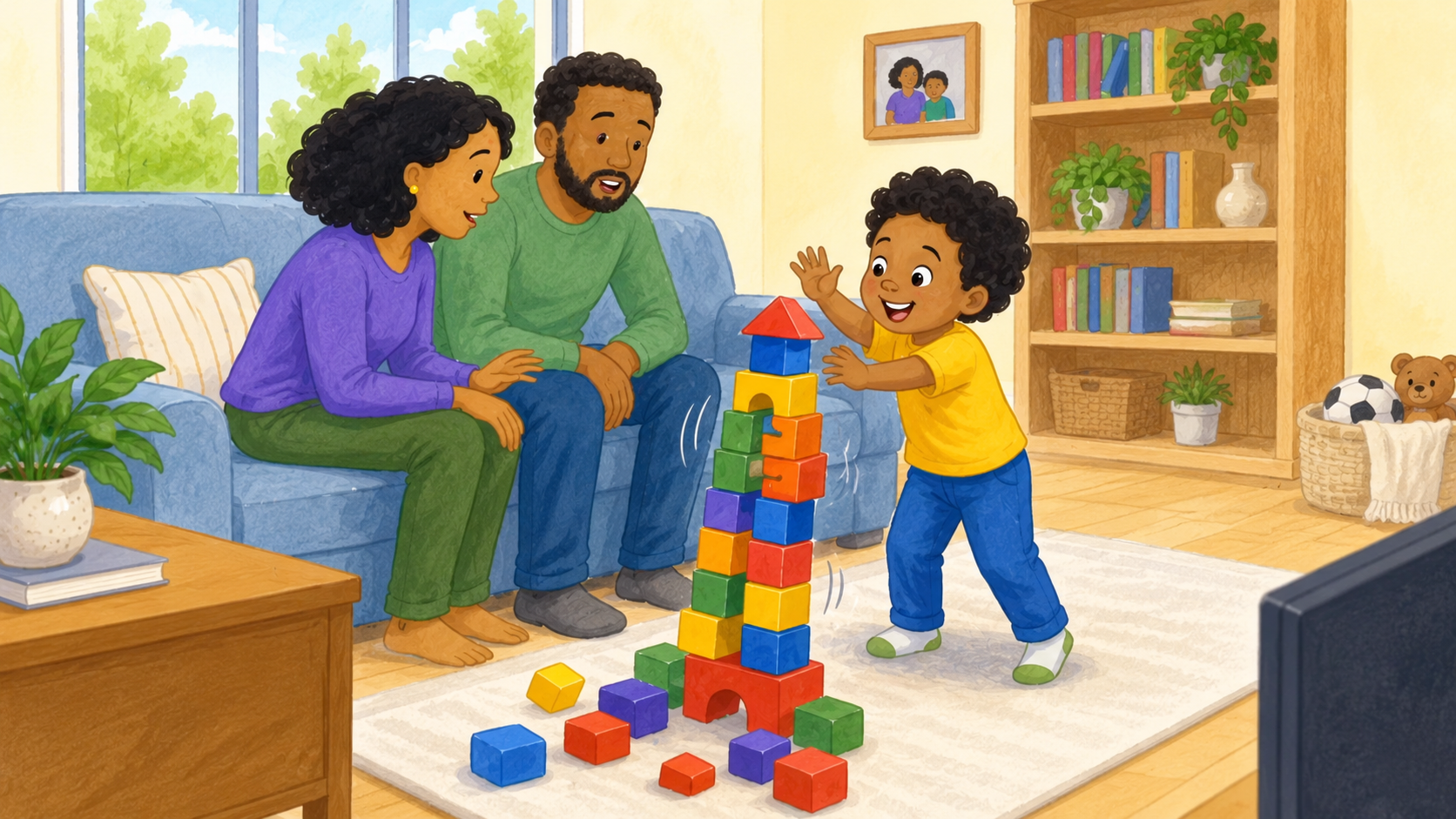
A child may decide whether to tell you something hard based on how they think you’ll react. Telling them ahead of time that they will never be in trouble for sharing something that stings removes one powerful reason to stay quiet, especially if someone has told them not to tell.

Safety conversations should happen long before anything actually goes wrong. We run fire drills to prepare, and we should be doing the same for personal safety! A simple way to start? Have your child name three trusted people they can tell if someone or something ever makes them feel uncomfortable. Write the names down as a family. Remember: Preparation creates a plan, not a panic.
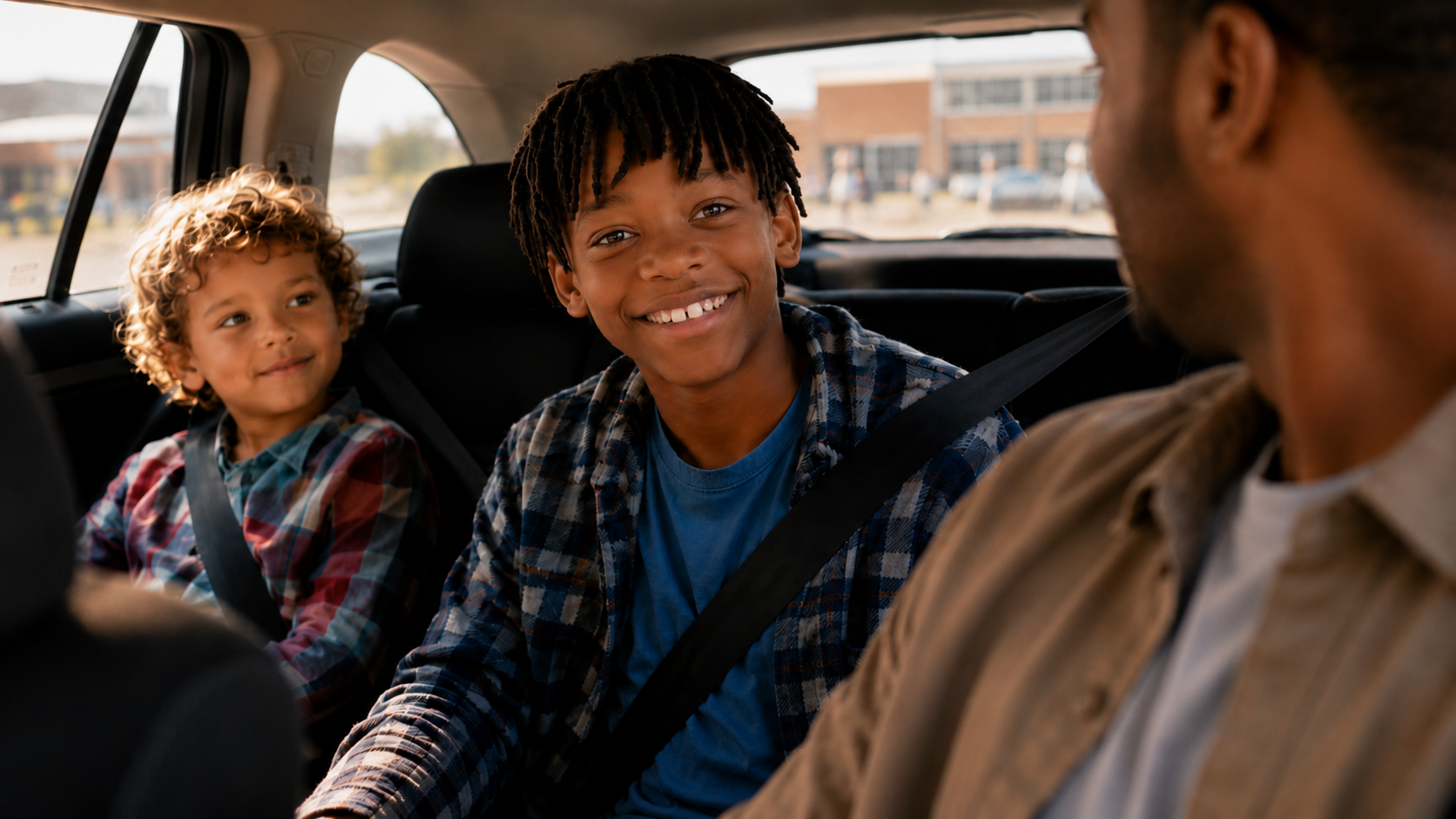
Most kids answer “fine” when asked about their day. This gentle conversation starter gives parents a simple way to check in, helping children name both the bright moments and the uncomfortable ones before the words really matter.
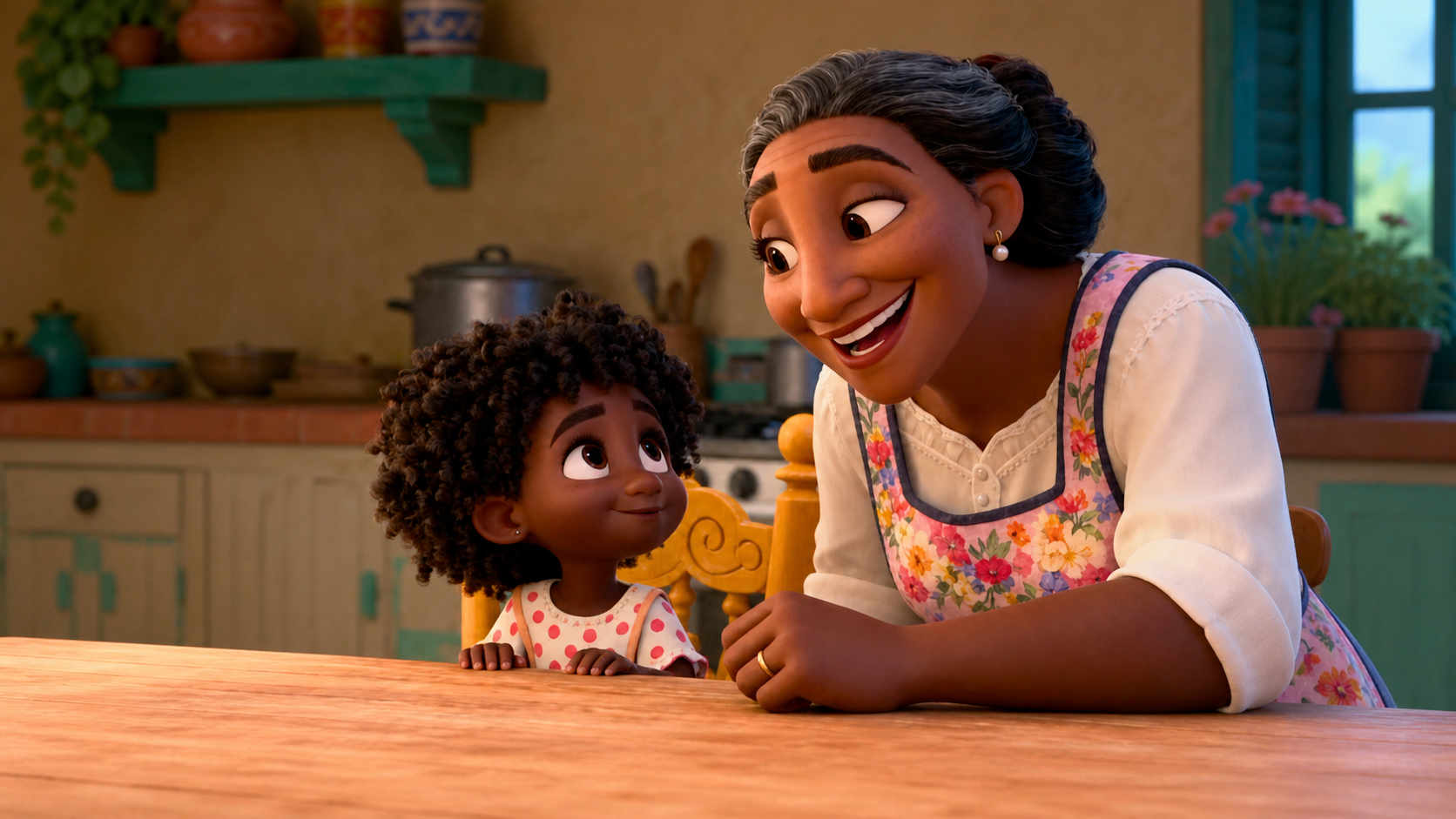
Before a child shares something difficult, they need to know they will be heard, believed, and met with calm. In this special message, Joy Stephenson-Laws reminds grown-ups that trust is built in everyday moments: listening without judgment, creating safety, and showing children they can come to you with anything. When trust comes first, a child is more likely to use their voice when it matters most.
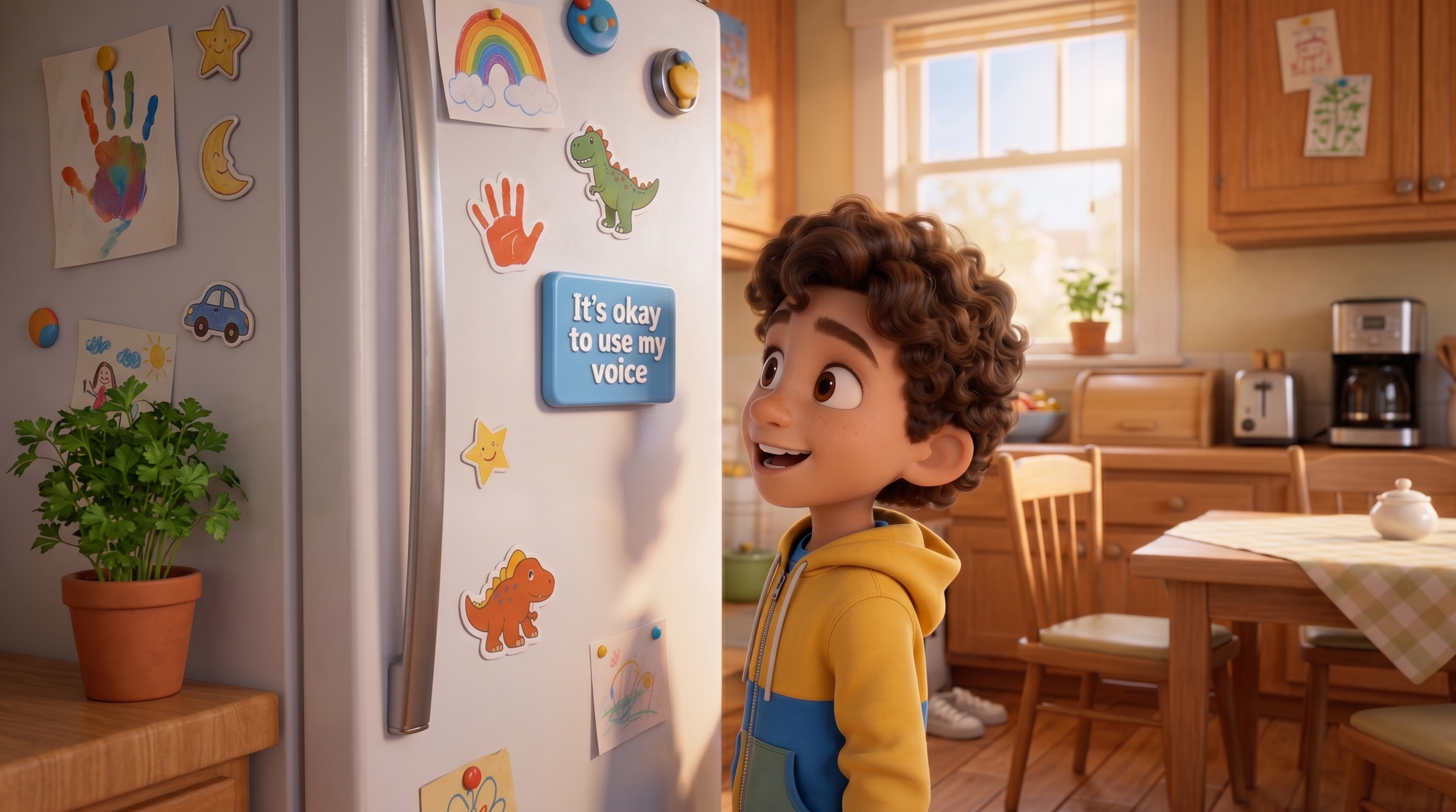
Sometimes the hardest part of speaking up is thinking you need to have all the answers. In this special message, we remind children that they don't need proof, perfect words, or absolute certainty to ask for help. Simply feeling that "something isn't right" is reason enough to use their voice. This video reinforces a crucial rule for both kids and adults: a child's only job is to tell someone they trust, and it is the grown-up's job to handle the rest. A child never has to prove a thing.
